Start with a better conversation.
Use accurate terminology, explain preparation, and connect patient questions with the appropriate clinical team member.

Build the skills behind safer hyperbaric care. Our flagship Hyperbaric Certified Technician (HCT) program brings 40 hours of NHSA-accredited education to life through hands-on chamber training.
Train for the work you will do in a hospital or clinic, with safety at the center of every session.
Four days in Scottsdale, Arizona · Training manual included
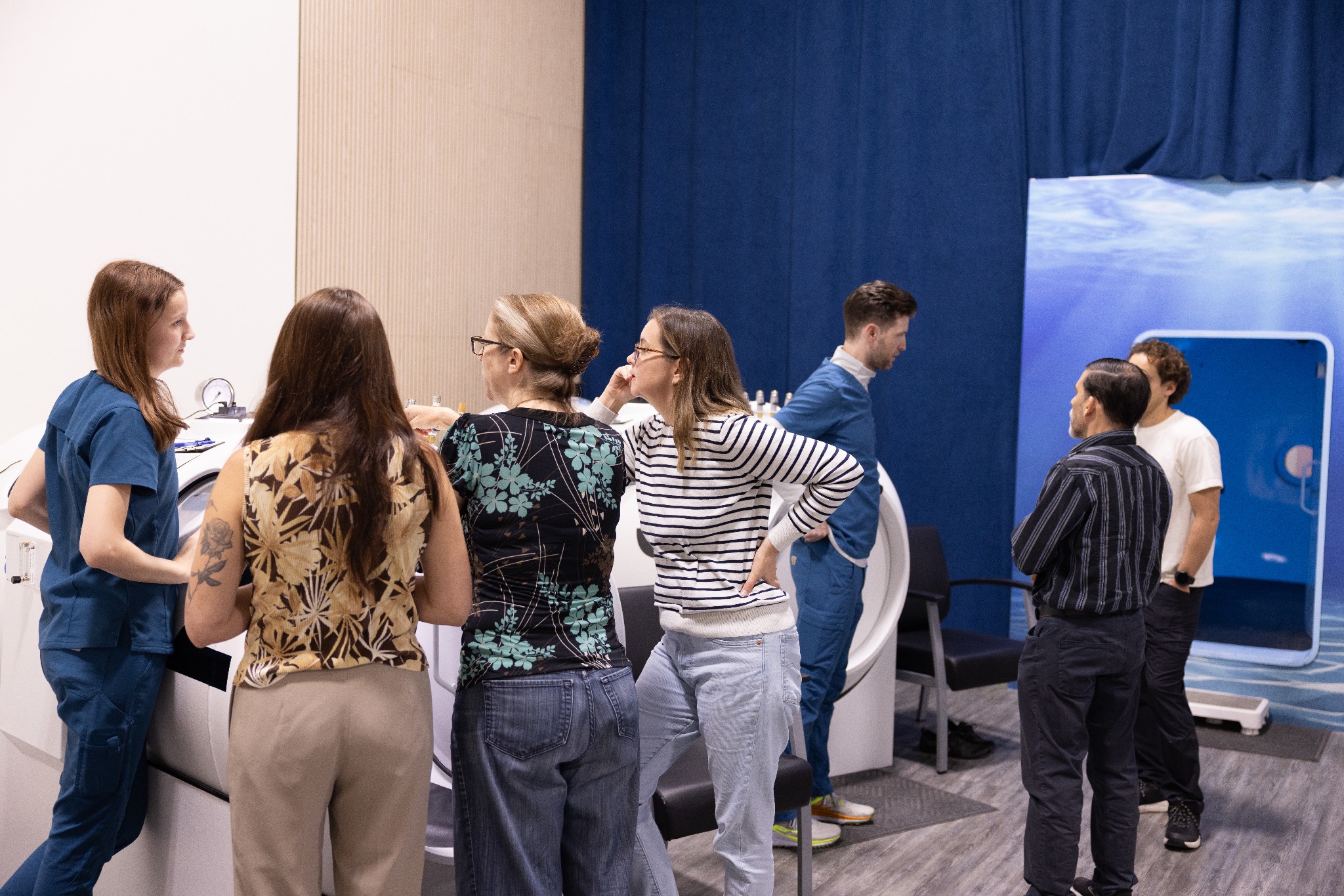
For the people who prepare the chamber, support the patient, monitor the session, and respond when something changes. Formal hyperbaric training is essential preparation for delivering HBOT, and HCT is our technician certification pathway.
HBOTCertification.com provides this 40-hour program with educational oversight and accreditation through the National Hyperbaric Safety Association. Your learning moves between the classroom and the chamber, so the science becomes something you can put into practice.
What sets the experience apart is time spent working on the equipment. You practice controls, checklists, patient communication, operating sequences, and emergency scenarios with instructors and fellow trainees.
Required qualifications depend on your role, employer, state, and applicable facility standards. HCT training does not replace professional licensure, clinical supervision, or facility-specific competency requirements.
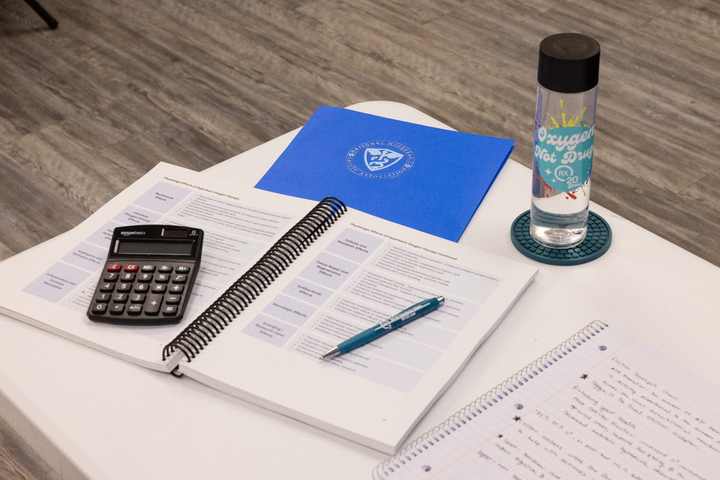
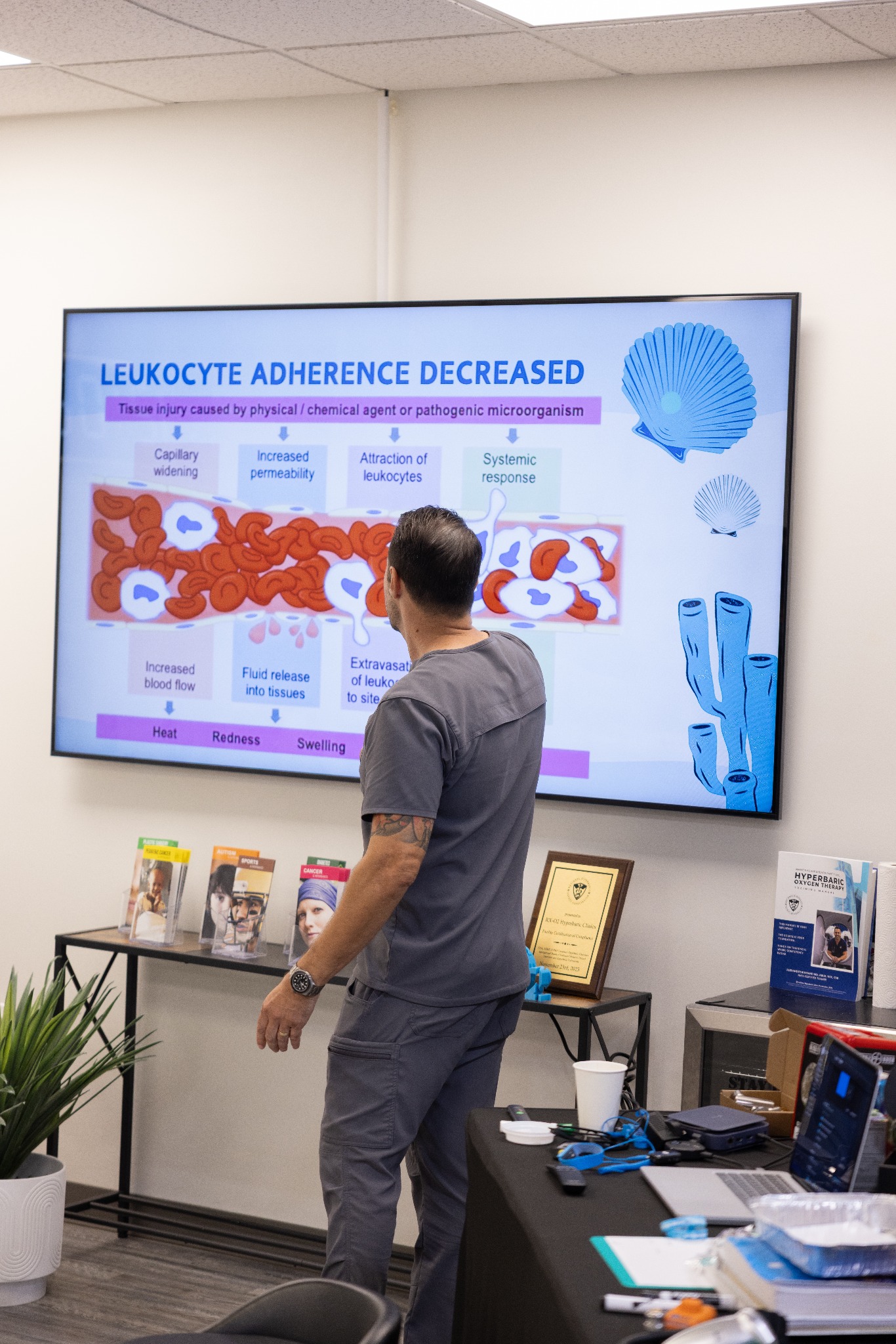
The curriculum covers established on-label indications alongside off-label, emerging, and research-based applications. Learn to separate accepted uses from questions that still need stronger evidence.
Diving medicine provides useful foundations and is included in the curriculum. Our primary emphasis is practical hyperbaric care in hospitals and clinics, including the safety and clinical judgment involved in evaluating newer applications.
Take a deeper dive into the curriculum ↗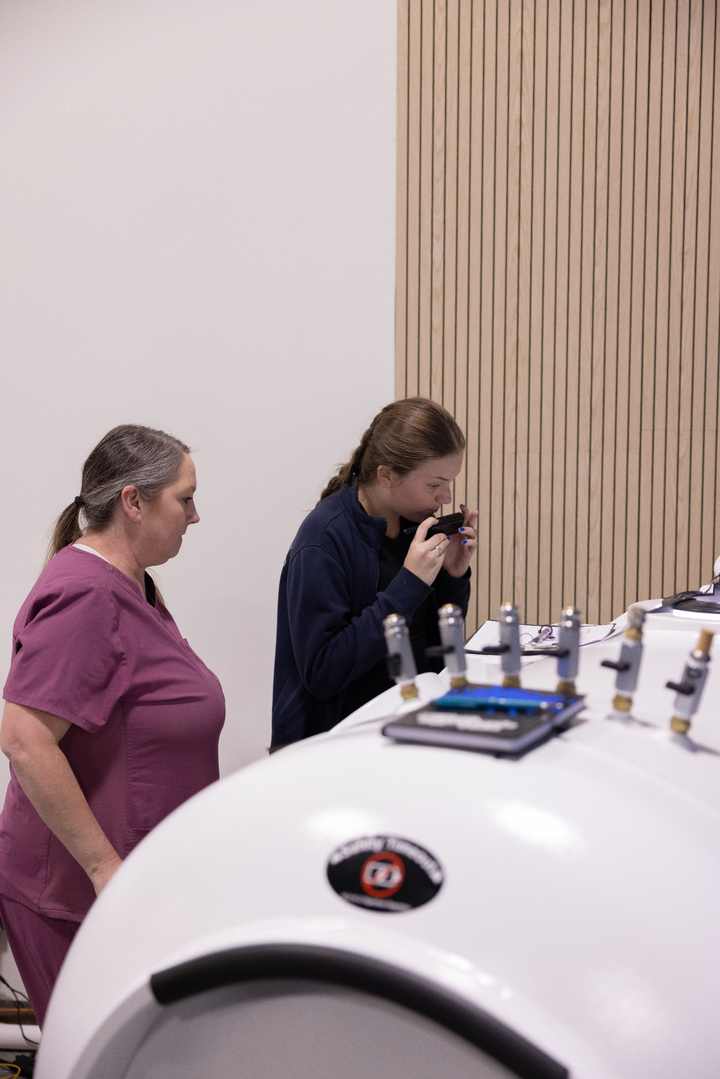
For eligible healthcare providers and prescribers who need a deeper understanding of the clinical decisions behind hyperbaric care. This pathway is intended for physicians, nurse practitioners, physician assistants, chiropractors, and naturopathic physicians, subject to professional scope and state requirements.
The 40-hour course shares the HCT foundation and hands-on experience, with higher expectations for clinical knowledge. Your preparation, certification requirements, and NHSA board examination reflect that responsibility.
Training manual included. NHSA membership and board fees are additional. Eligibility is subject to credential review. Certification does not expand your legal scope of practice or prescribing authority.
Every hyperbaric facility needs a designated safety leader. Our online Clinic Safety Director course prepares that person to organize the safety program, strengthen everyday procedures, and keep the team ready to respond.
This is an administrative safety role. A medical background is not required for the course, but a foundation in hyperbaric training is.
Applicants must have completed an accredited hyperbaric course, such as our HCT or HCC program, before taking Clinic Safety Director training.
NFPA 99 uses the term “hyperbaric safety coordinator” in its 2024 edition. Course completion supports role preparation; facilities must meet the qualifications and requirements of their adopted codes and local authorities.
Dr. Borsand and his certified hyperbaric training team come to your facility for a 40-hour, four-day program. Train up to 10 people together, using your own chambers and the environment where your team will work every day.
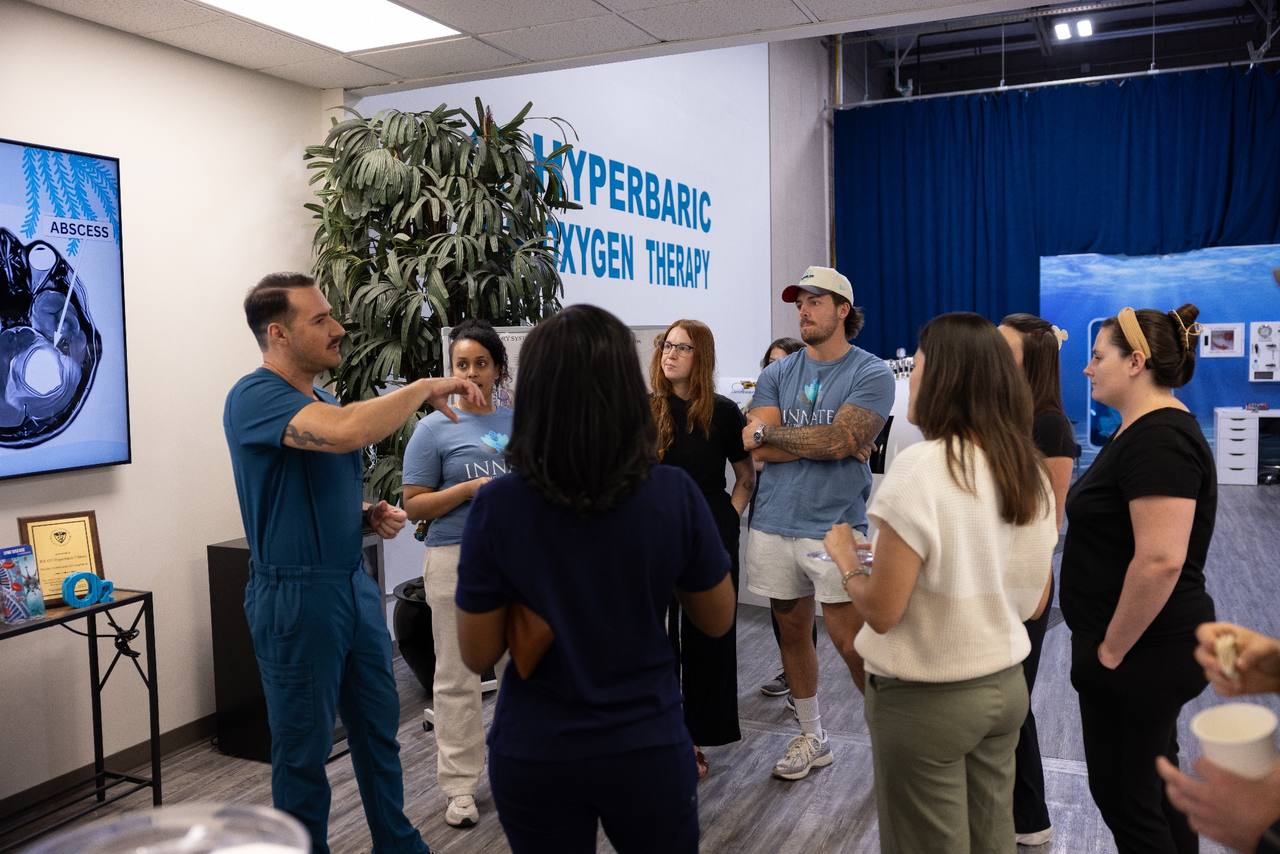
The patient experience starts with the first phone call. A receptionist who understands basic HBOT language can explain what to expect, share preparation instructions, and route clinical questions to the right person.
When the whole team has a shared foundation, patients arrive better prepared and staff know where their responsibilities begin and end. Front-desk education builds communication skills; clinical screening and treatment decisions remain with qualified clinicians.
Use accurate terminology, explain preparation, and connect patient questions with the appropriate clinical team member.
Practice preparation, monitoring, documentation, and response scenarios on the equipment you will use.
Align clinical judgment, supervision, staff communication, and the facility’s safety responsibilities.
Download our four-page Hyperbaric Facility Safety Checklist. Work through 44 practical checks for facility planning, equipment, patient preparation, and emergency readiness.
Use the checkboxes digitally or print them for your team. Educational planning aid; confirm requirements with your adopted code edition, manufacturer instructions, and local authority.
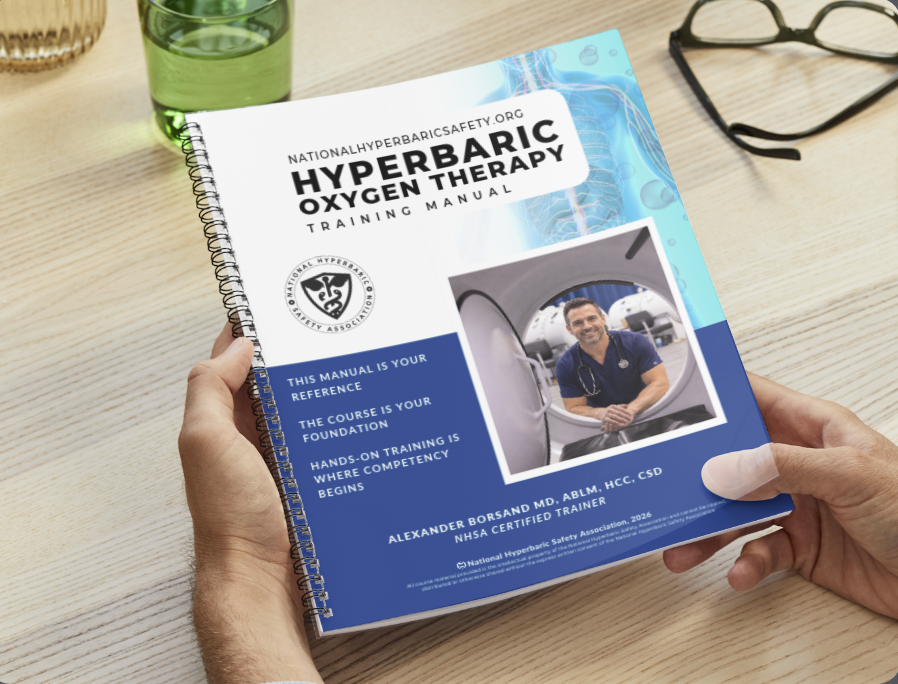
Every training includes the National Hyperbaric Safety Association’s Hyperbaric Oxygen Therapy Training Manual. Use it to follow the course material, review important concepts, and continue learning after your training.
Want an additional copy? Buy the manual on Amazon ↗
HCT and HCC trainees attend together. Each four-day cohort is limited to 15 trainees, with seven chambers at our facility to support meaningful hands-on practice.
Choose your preferred course and date in the registration form. Our team will confirm current availability and your enrollment details.
Thursday–Sunday · 8 am–6 pm
Scottsdale, Arizona · Local time
HCT & HCC · 40 hours
Thursday–Sunday · 8 am–6 pm
Scottsdale, Arizona · Local time
HCT & HCC · 40 hours
Thursday–Sunday · 8 am–6 pm
Scottsdale, Arizona · Local time
HCT & HCC · 40 hours
Thursday–Sunday · 8 am–6 pm
Scottsdale, Arizona · Local time
HCT & HCC · 40 hours
Clinic Safety Director is online and follows completion of accredited hyperbaric training.
Need a date for your team? Apply for on-site training ↗
Ask about early-registration pricing for enrollment at least 30 days before your course. Hannah can confirm eligibility and the discount deadline for your cohort.
Spend an approved instructional day with an NHSA cohort before committing to the full certification course. Complete the auditor application and request your preferred cohort and day. Our team will confirm availability and attendance details.
No payment is collected for auditing. An application is a request, and staff approval is required. Auditors cannot claim CME hours and are not eligible for certification, exam preparation, or the board examination.
| Course day | Instructional focus | Audit access |
|---|---|---|
| Day 1 Modules 1–3 | Foundations, relevant anatomy and physiology, history, gas laws, oxygen, equipment standards, and preparation. | By staff approval |
| Day 2 Modules 4–6 | Oxygen pharmacology, assessment, contraindications, adverse effects, checklists, neurological assessment, and chamber operations. | By staff approval |
| Day 3 Modules 7–8 | Established and emerging indications, case discussions, safety decisions, emergency practice, and math review. | By staff approval |
| Day 4 morning Module 9 safety review | Safety principles, ASME and NFPA review, and adverse-event prevention. | Morning only, by approval |
| Day 4 afternoon Exam preparation and Module 10 | Exam preparation, board examination, and certification assessments for eligible enrolled trainees. | Auditors excluded |
The instructional sequence follows the NHSA training curriculum. Instructor-led practice is integrated throughout the course. Your approved attendance email confirms the day and arrival details. Participation in practical activities is subject to instructor direction and facility safety requirements.
One application for HCT, HCC, and Clinic Safety Director. Select the course that fits your role and qualifications.
HCT is the technician pathway for practical hyperbaric operations. HCC is for eligible clinicians and prescribers with deeper clinical responsibilities. Clinic Safety Director is online training for the administrative safety role and requires previous accredited hyperbaric education.
No. HCT and HCC are 40-hour in-person programs that include hands-on chamber training, classroom instruction, and assessment. Clinic Safety Director is the online course. On-site training brings the in-person program to your facility.
Yes. The curriculum includes established on-label indications and discussion of off-label, emerging, and research-based applications. The course addresses evidence, limitations, safety, and clinical judgment. Discussing an application does not mean that it is FDA-approved, proven effective, or appropriate for every patient.
Training can include your whole team, but certification depends on each trainee’s course, professional eligibility, and successful completion of the relevant assessments. HCC is reserved for eligible clinicians. Front-desk participation does not confer clinical authority.
Training is one part of a safe hyperbaric program. Licensure, professional scope, facility requirements, equipment standards, supervision, and local approvals must also be addressed. Confirm the requirements that apply to your role and location before enrolling.
Our team has helped hyperbaric clinics open and grow across hospital-based, wellness, and aesthetic settings. We help you bring the business plan, staff preparation, and operational safety program together.
Address regulatory and facility questions early, including the review your local fire marshal or other authority may require, so unresolved issues are identified before they become costly opening delays.
Consulting supports planning and implementation. It does not replace legal or engineering advice, required permits, inspections, or decisions by the authorities with jurisdiction.