The foundations of pressure
- History of diving and hyperbaric medicine
- Boyle’s, Henry’s, and Dalton’s gas laws
- Units, conversions, and partial-pressure calculations

Into the science. Into the equipment. Into the decisions that make hyperbaric care safer.
Build your foundation through NHSA training that connects classroom learning with practical chamber experience and a clear focus on safety.
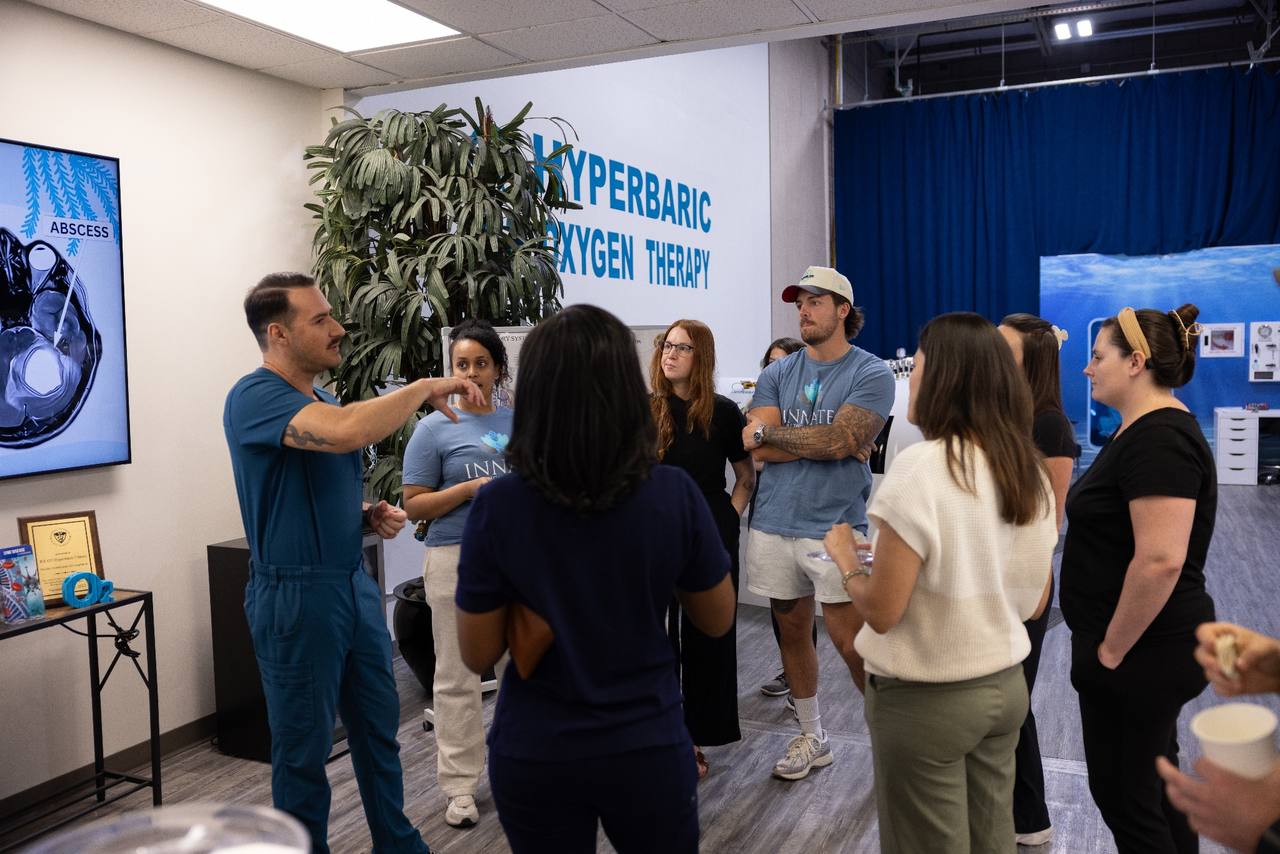
Hyperbaric training is about more than knowing which control to turn. It is understanding pressure and oxygen, preparing a patient and chamber, recognizing a concern, and knowing how your team should respond.
HBOTCertification.com provides National Hyperbaric Safety Association training. The in-person program pairs structured instruction with equipment demonstrations, practical exercises, case discussions, and assessment.
Work alongside your cohort and connect the classroom material to the people, equipment, and routines of a hyperbaric clinic.
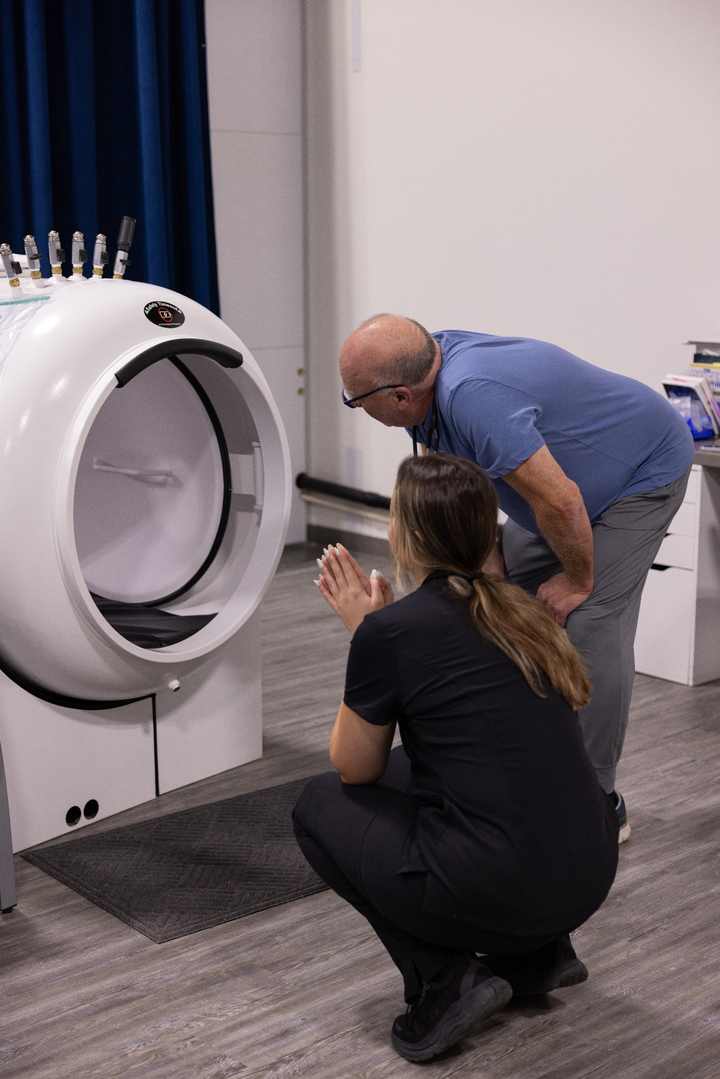
Explore chamber systems, controls, checklists, and the operating sequence. Ask questions where the learning happens: beside the equipment.
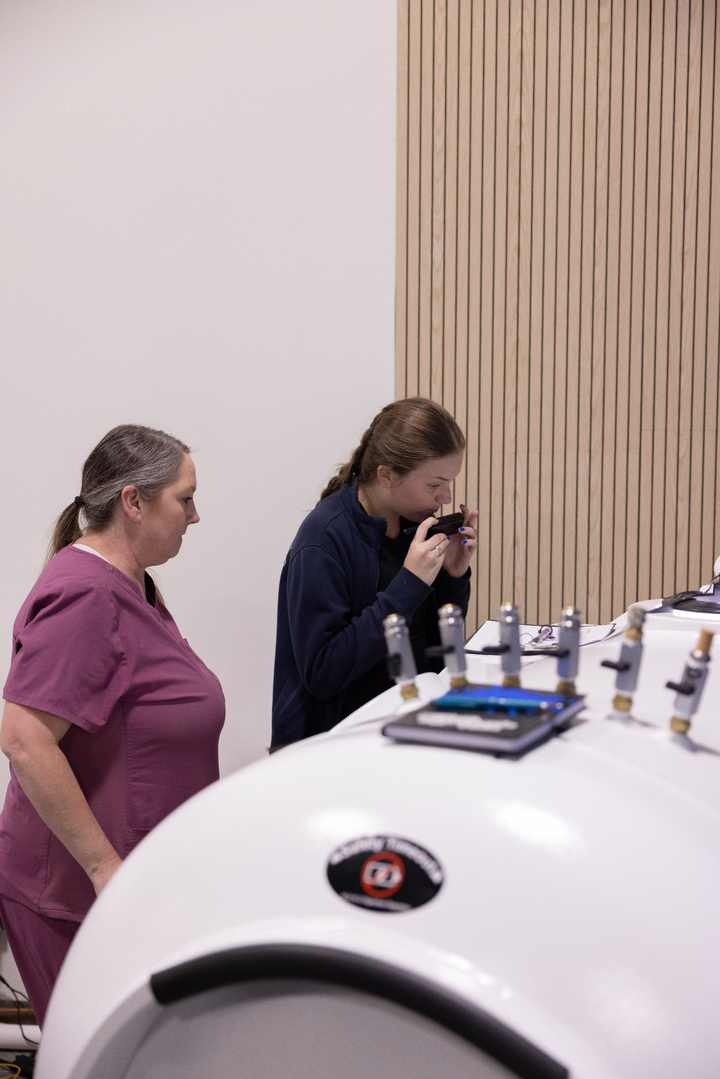
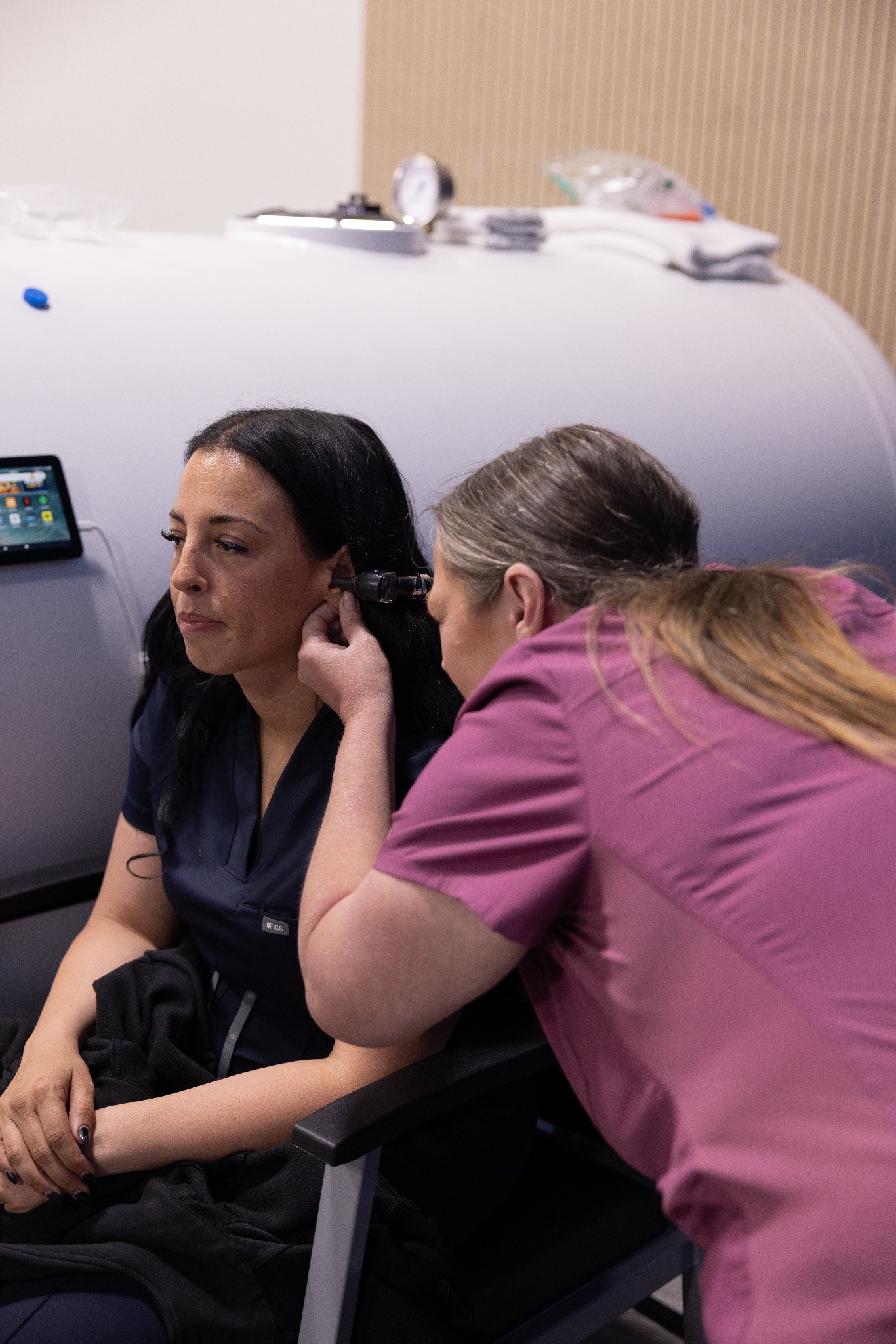
Connect patient preparation, observation, communication, and documentation to consistent operating routines.
Talk through scenarios, compare perspectives, and practice the communication that keeps a team coordinated.
Knowing what to do when things go well matters. Preparing for what to do when they do not is an essential part of the training.
Join a Training Cohort ↗The NHSA in-person course outline connects the science of hyperbaric oxygen with clinical understanding, chamber operation, safety, and assessment.

An introduction to course objectives, NHSA, the safety briefing, and relevant anatomy and physiology prepares the cohort for the modules that follow.
The outline below describes the in-person program. Clinic Safety Director is a separate online course focused on safety leadership and operational oversight.
Course completion includes discussion of continuing education resources and the Clinic Safety Director pathway. Confirm the current schedule, assessment requirements, and any CME option with the training team.
Apply for Training ↗Based on the NHSA training course outline. Course sequencing may vary by cohort.
Use one shared application to select your course and complete registration. Your role, credentials, and state requirements help determine the appropriate path.
For clinicians and prescribers developing a deeper understanding of hyperbaric physiology, clinical applications, and treatment principles.
For staff building the operational knowledge and hands-on skills used to support safer hyperbaric care.
For facility leaders, technicians, owners, and safety officers responsible for a clinic’s safety program.
State regulations and professional scope may affect your course choice. Training does not expand licensure or authorize practice outside your scope. NHSA membership and board fees are separate from HCC and HCT tuition. Confirm the complete total during registration.
Complete HCC or HCT registration at least 30 days before your selected course begins.

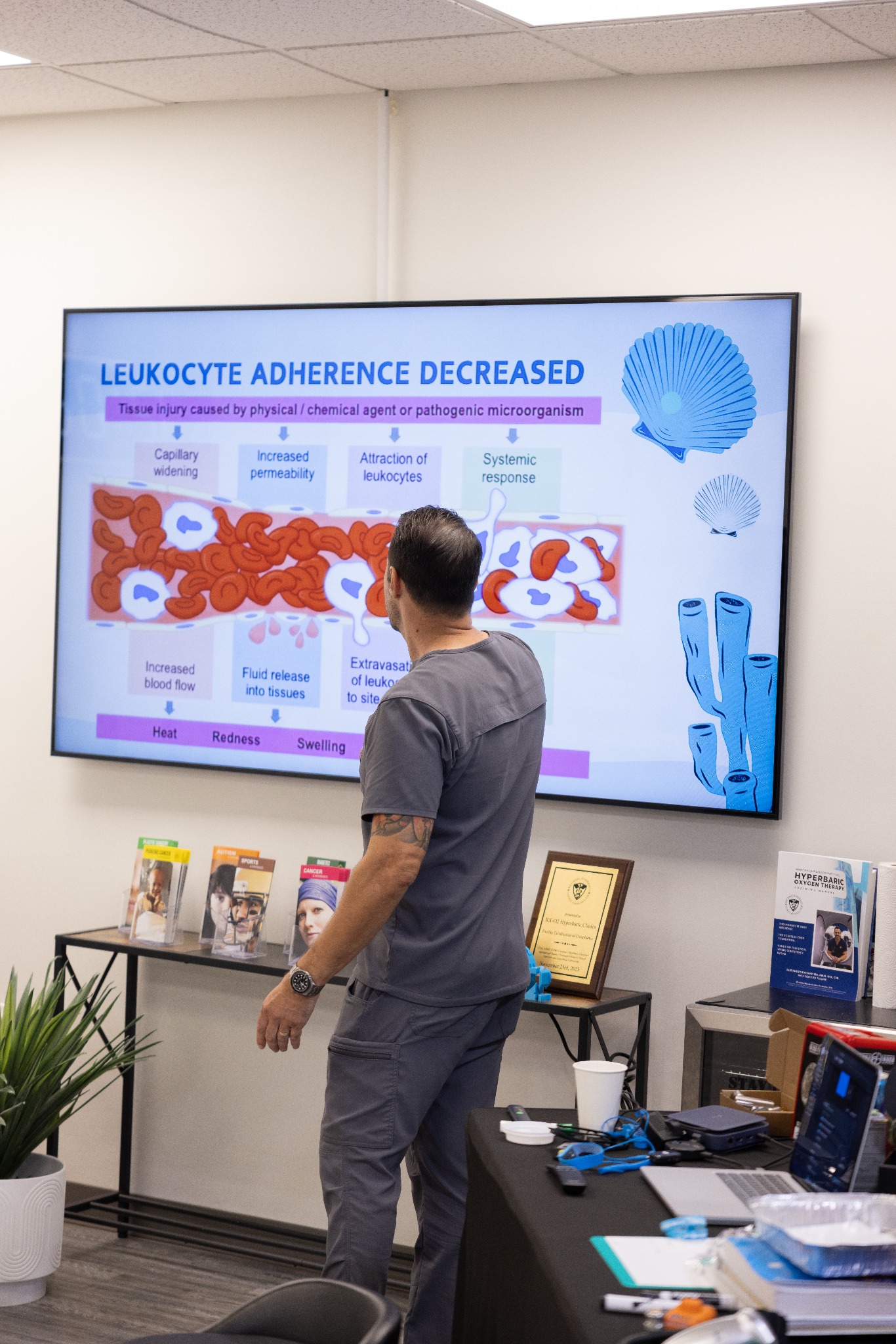
Course education supports safety awareness. Facility compliance also depends on applicable requirements, the adopted code edition, equipment, manufacturer instructions, and oversight.
The program brings together coursework, practical chamber learning, review, and assessment. Certification follows successful completion of the applicable requirements.
Use your training as a starting point for continuing education, equipment-specific instruction, facility procedures, and regular team practice.
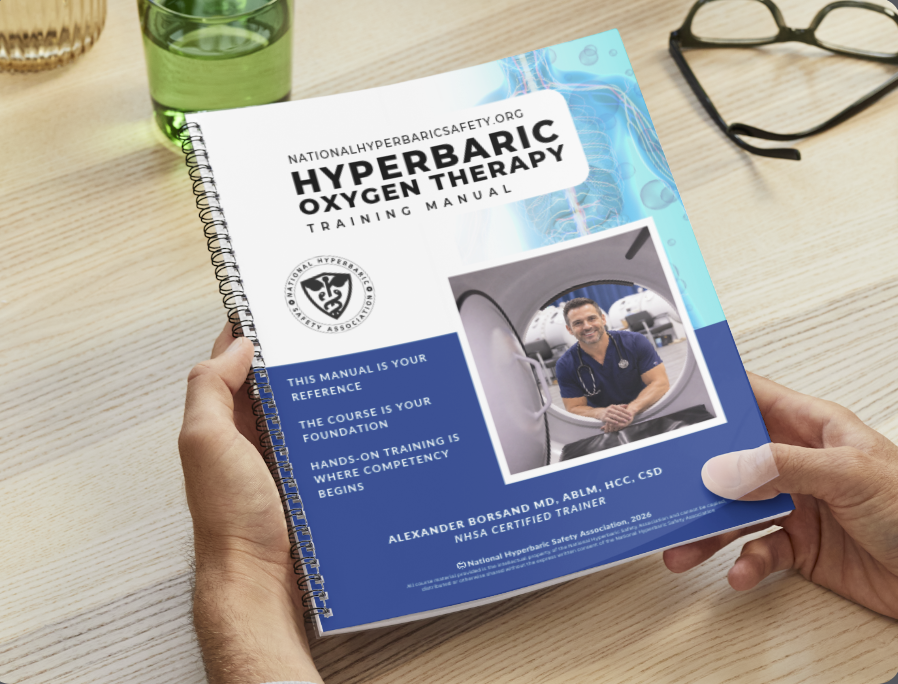
NHSA TRAINING MANUAL INCLUDED WITH EVERY TRAININGThe National Hyperbaric Safety Association’s Hyperbaric Oxygen Therapy Training Manual is included with HCC, HCT, Clinic Safety Director online training, and on-site training.
Dr. Borsand and his certified hyperbaric training team can come to your facility to provide the course using your own equipment.
Discuss your location, group size, chamber systems, and preferred dates with us. We will help plan the training and confirm the logistics and quote.

Choose your course, join the next cohort, and build a stronger foundation for safer hyperbaric practice.
Questions about the right course? Call or text 480-685-9022. One application covers HCC, HCT, and Clinic Safety Director online training.