Pressure, oxygen & physiology
Study gas laws, pressure units, partial pressures, and the body’s response to oxygen under pressure. Work through calculations and the concepts that explain compression, decompression, and oxygen exposure.

Build the knowledge and practical skills behind safer hyperbaric oxygen therapy. Our 40-hour Hyperbaric Certified Technician program combines classroom education, hands-on chamber training, and assessment in Scottsdale, Arizona.
Learn how pressure and oxygen affect the work you do, then connect that knowledge to equipment preparation, patient communication, monitoring, and emergency readiness.
Four days in person · NHSA training manual included
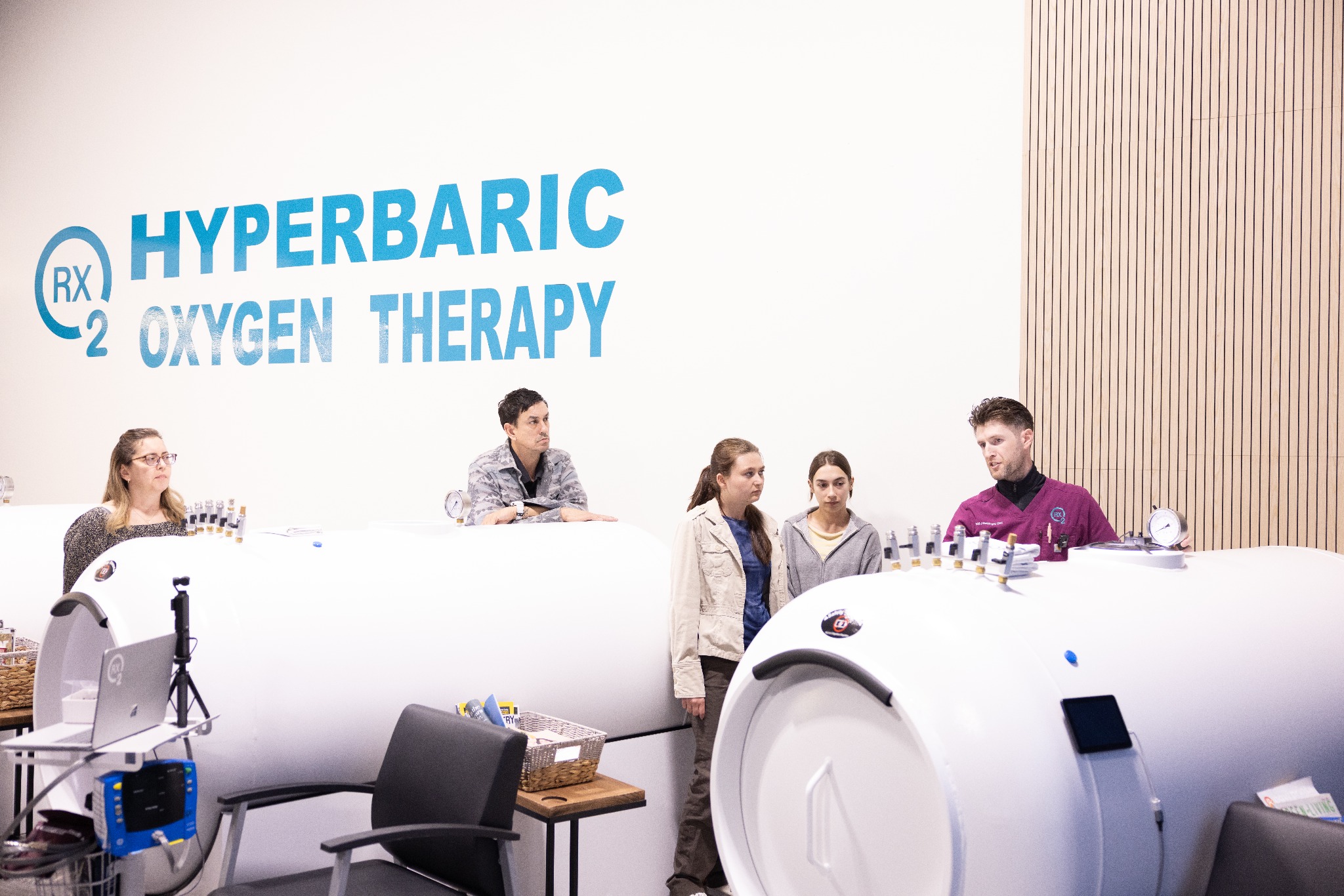
A hyperbaric technician helps prepare the chamber and patient, follows the prescribed operating procedures, observes the session, communicates with the care team, and documents the work. The role requires careful attention to equipment, oxygen safety, patient comfort, and changes that need prompt escalation.
Technicians work within their training, employer policies, and applicable professional scope. Treatment decisions and prescriptions remain with appropriately qualified healthcare professionals. Our course helps you understand those boundaries while developing a practical foundation for the technical role.
HCT applicants should have a medical assistant or EMT background. Training and qualification requirements vary by state. Contact our team to review your background and the requirements that apply where you plan to work.
Clinicians with prescribing or clinical decision-making responsibilities can compare the Hyperbaric Certified Clinician pathway. The right course depends on your qualifications and responsibilities.
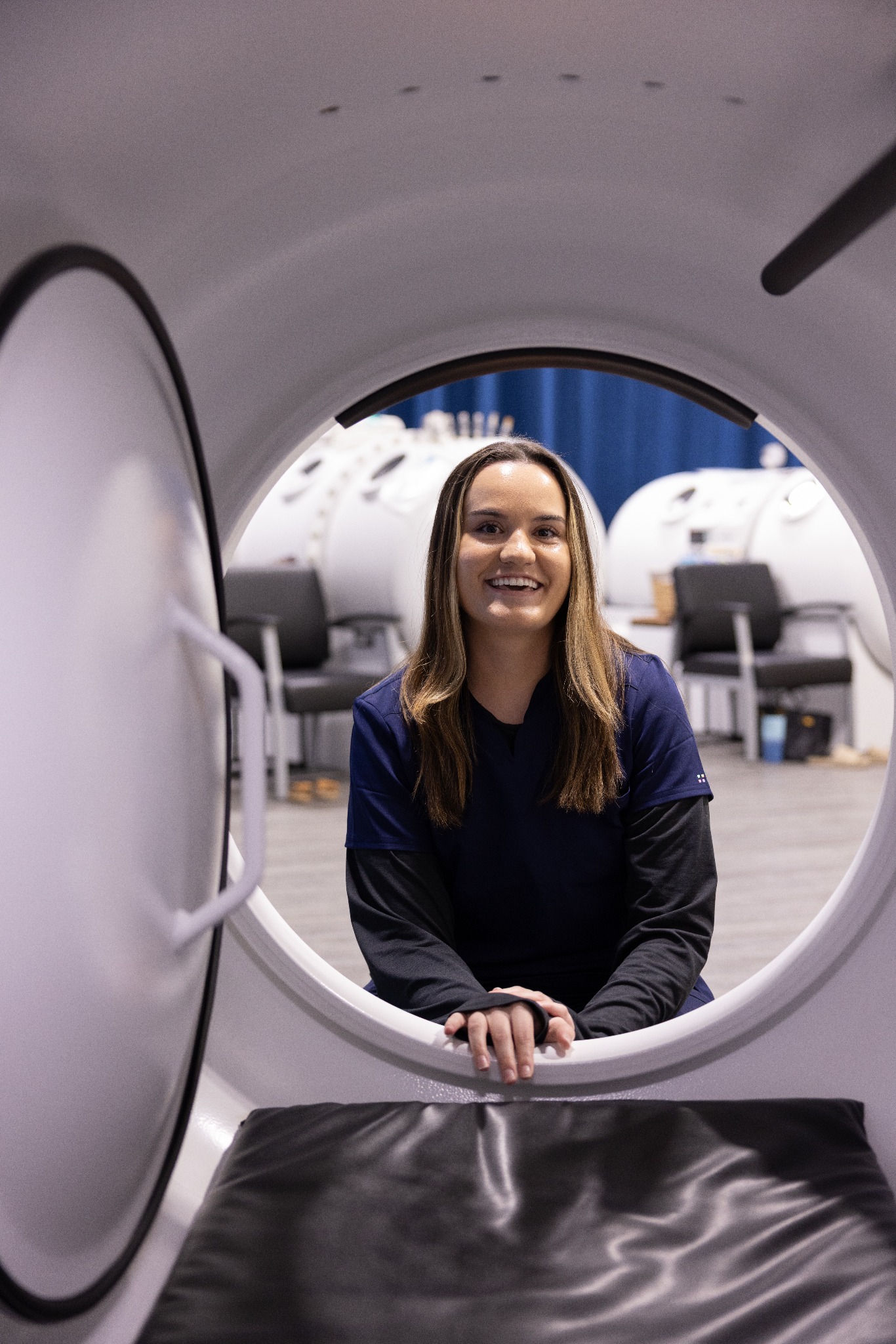
The NHSA course connects the principles of hyperbaric oxygen therapy with the practical responsibilities of supporting a treatment session. Classroom discussions, equipment demonstrations, scenarios, and review help you understand both the procedure and the reason behind it.
Study gas laws, pressure units, partial pressures, and the body’s response to oxygen under pressure. Work through calculations and the concepts that explain compression, decompression, and oxygen exposure.
Become familiar with monoplace and multiplace systems, oxygen delivery, controls, communication equipment, and routine checks. Connect equipment demonstrations to manufacturer instructions and facility procedures.
Review preparation, prohibited-item screening, communication, comfort, documentation, and recognition of concerns. Discuss assessment concepts and when to involve the supervising clinical professional.
Learn the concepts behind contraindications and precautions, pressure-related injuries, oxygen toxicity, and other potential adverse events. Practice recognizing concerns and escalating them within your role.
Explore oxygen safety, ignition-source control, grounding, chamber-entry checks, and relevant ASME and NFPA concepts. Understand how staff habits support a consistent facility safety program.
Discuss power interruptions, patient emergencies, fire response, evacuation, and team communication. Use scenarios and supervised practice to connect emergency plans with the equipment and people involved.
The course also discusses established indications and emerging applications of HBOT, with attention to evidence, limitations, and professional responsibilities. Review the full ten-module program outline for more detail.
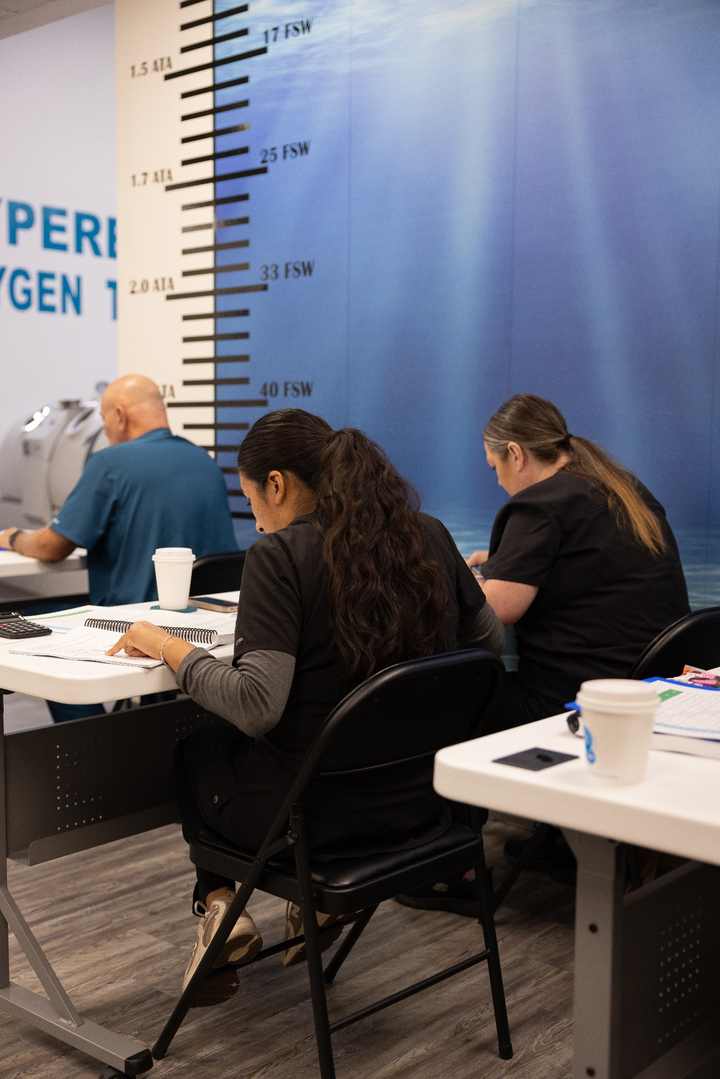
Training takes place in a working hyperbaric facility, where instructors connect classroom concepts to chamber systems and operating routines.
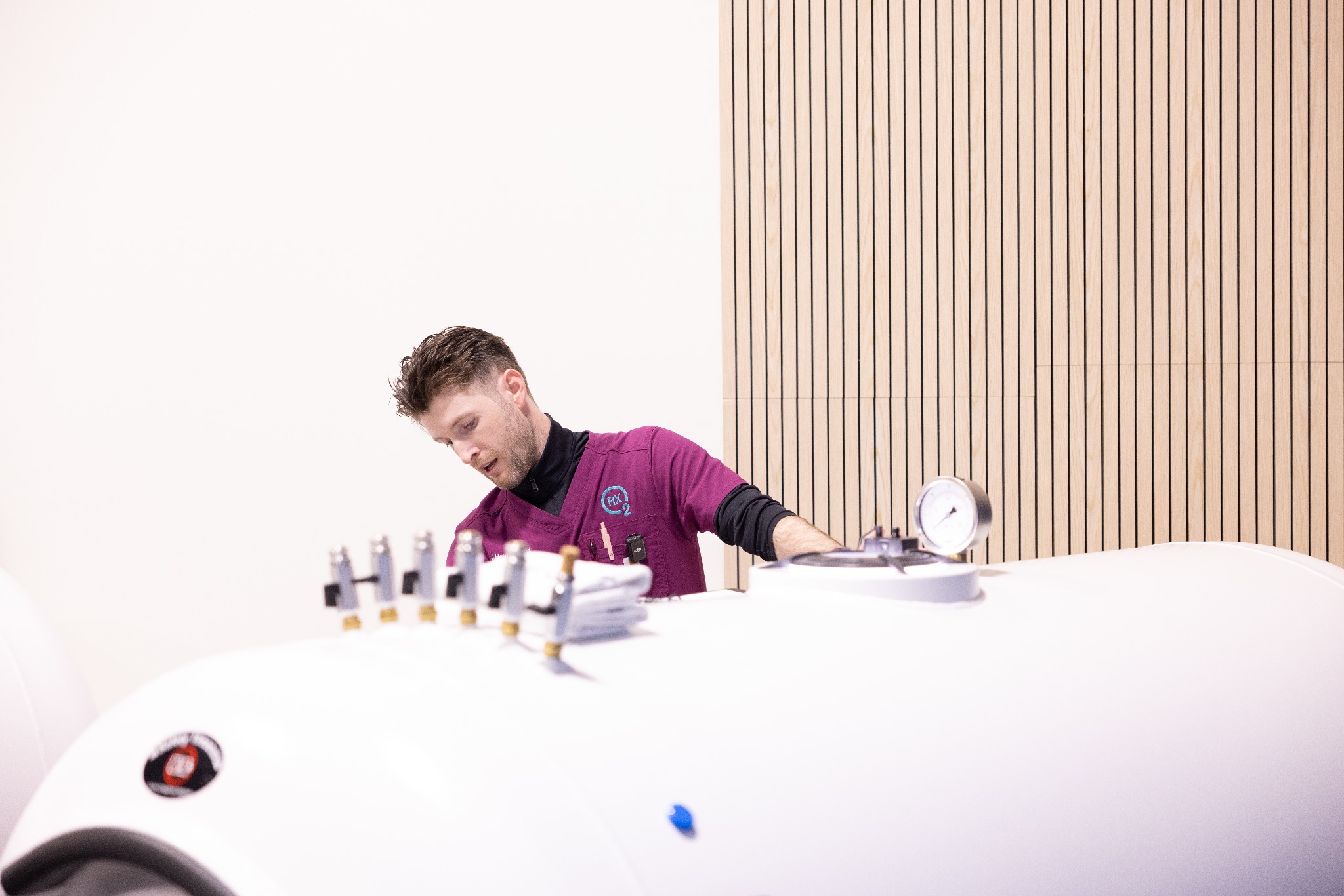
Supervised practical sessions give you time to observe, ask questions, and rehearse the steps used before, during, and after a session. You learn alongside other trainees and discuss how each person’s responsibilities fit into the wider care team.
Practical activities follow instructor direction and facility safety requirements. Course training is followed by the equipment-specific instruction, supervision, and competency checks required by your workplace.
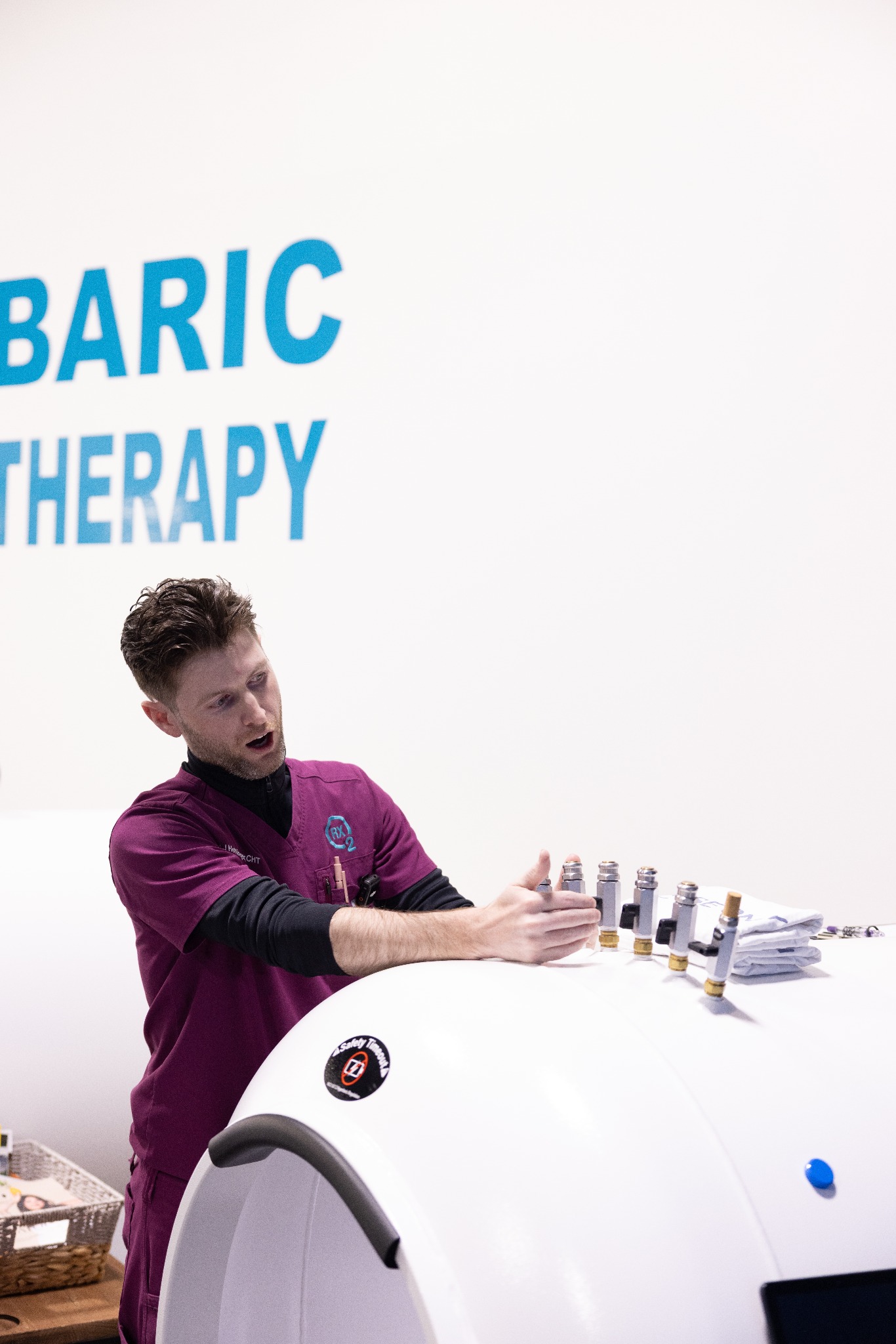

HCT and HCC credentials are issued by the National Hyperbaric Safety Association in conjunction with the Arizona Hyperbaric Society. eMedEd provides the course’s continuing medical and nursing education credits.
Complete 40 hours of in-person instruction and hands-on training, pass the 12-step practical assessment and required skills tests, then pass the third-party online proctored board examination with a score of 80% or higher. Hands-on training includes supervised patient preparation and treatment from beginning to end, vital signs, tympanic membrane visualization, chamber operation, oxygen-system safety, and emergency procedures, including emergency decompression drills. Trainees must demonstrate safe practices and pass the required skills tests before becoming eligible for the board examination.
Before enrolling, confirm the specific credential your employer requires. This course does not grant a medical license, prescribing authority, or automatic approval for every employer or facility. Workplace orientation, supervised experience, and ongoing competency requirements may also apply.
Tuition for the 40-hour, four-day in-person technician training program.
Your initial board examination is included, and NHSA membership is always free. The 40-hour in-person HCT and HCC course offers 40 AMA PRA Category 1 Credits™ for physicians or 40 nursing contact hours for nurses through eMedEd. Claim the credit type appropriate to your profession, not both. There is no additional credit-processing fee. Travel and accommodations are arranged separately.
Ask about saving up to $250 when registering at least 30 days before your selected course. Hannah can confirm eligibility, the deadline, and how to apply the current early-registration offer.

Email Hannah or call or text 480-685-9022 for help with course selection, dates, and registration.
HCT and HCC trainees learn together during the four-day course. Select your preferred cohort in the application; our team will confirm availability and enrollment.
Training location: RX-O2 Hyperbaric Clinic, 9035 E Pima Center Parkway, Suite 11, Scottsdale, Arizona. Confirm your daily schedule and arrival instructions with the training team.
Good technician training supports the handoffs between the front desk, chamber operators, clinicians, and safety leadership. You learn to explain preparation clearly, recognize the limits of your role, and bring concerns to the appropriate team member.
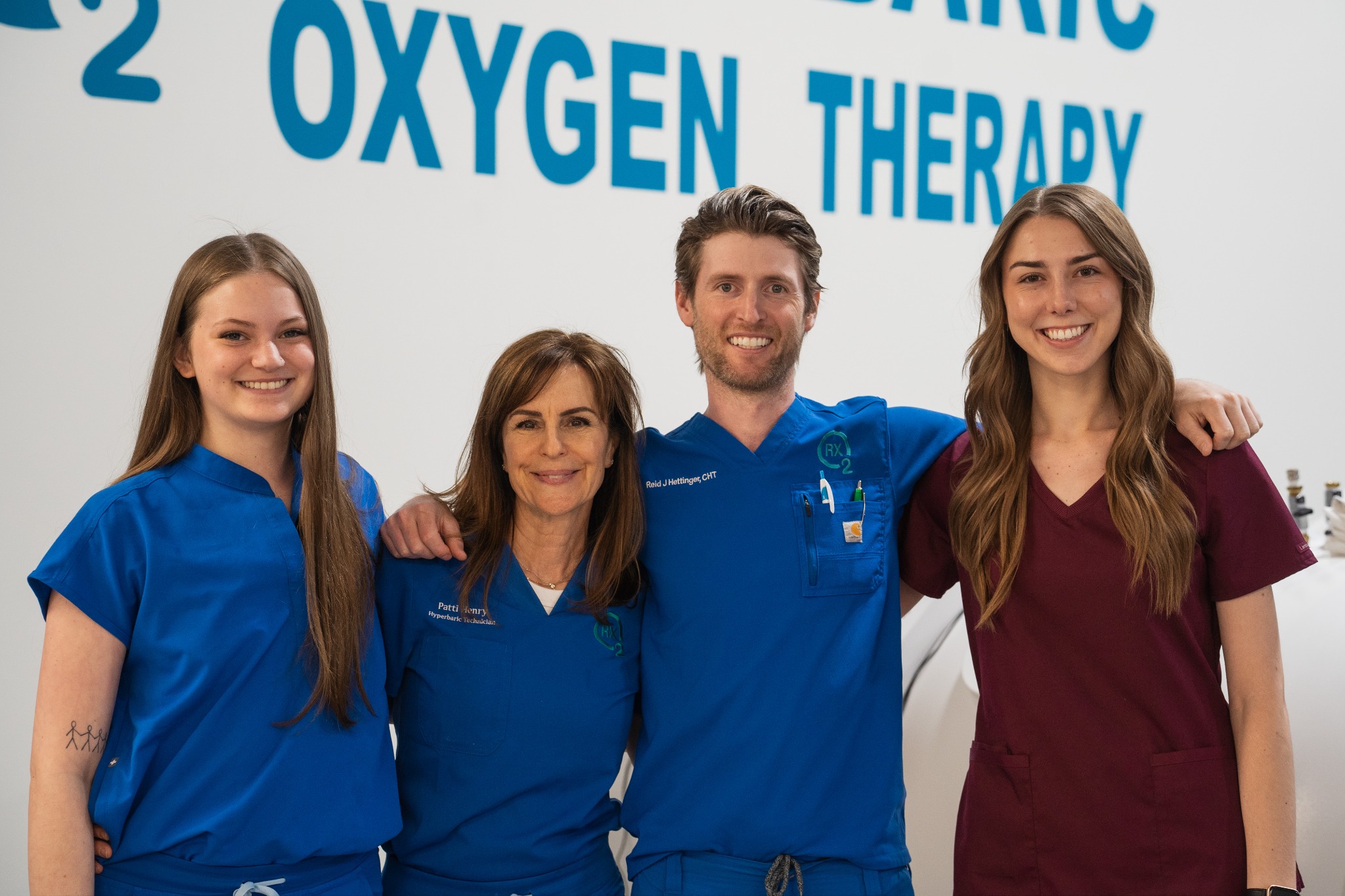
On-site training brings the 40-hour program to your team and equipment. Discuss your chambers, location, staffing, and preferred dates with us so we can confirm suitability and prepare a complete quote.
After completing accredited hyperbaric training, eligible participants can explore the online Clinic Safety Director course. It focuses on the administrative safety responsibilities of organizing procedures, readiness, and oversight.
NHSA certification has no fixed expiration date. To maintain it, complete five NHSA-approved continuing education credits each year. NHSA provides these credits at no charge. Relevant credits from other educational institutions may count with NHSA approval. These annual maintenance credits are NHSA CE, separate from the course’s physician CME and nursing contact hours.
NHSA membership is always free for members who commit to hyperbaric best practices and complete the association’s safety attestations. The initial board examination is included in course tuition.
Safety education should be accessible. Membership is based on a commitment to best practices and the association’s safety attestations.
Review all HCT and HCC certification requirements and education credits ↗
If you do not pass the board examination, complete an assigned didactic project and meet with the educational team of certified trainers before retesting. The retest fee is $250. Retesting is available no sooner than 14 days after the initial examination and is subject to completion and review of the didactic project.
NHSA’s Hyperbaric Certified Technician (HCT) and NBDHMT’s Certified Hyperbaric Technologist (CHT) are separate credentials issued by different organizations, each with its own education and assessment requirements. NHSA training emphasizes safe clinical operations, emerging research, and treatment protocols, and can complement other hyperbaric education. HCT does not confer NBDHMT CHT certification.
The 40-hour in-person HCT and HCC course offers 40 AMA PRA Category 1 Credits™ for physicians or 40 nursing contact hours for nurses through eMedEd. Claim the credit type appropriate to your profession, not both. There is no additional credit-processing fee.
Our HCT course provides 40 hours of in-person education over four days. Your employer may require additional orientation, supervised operating experience, or equipment-specific competencies after the course.
This HCT program is taught in person because hands-on chamber learning is central to the course. The separate Clinic Safety Director course is online and requires prior accredited hyperbaric training.
HCT applicants should have a medical assistant or EMT background. Training and qualification requirements vary by state. Contact our team to review your background and the requirements that apply where you plan to work.
Yes. The course combines classroom instruction with supervised chamber education, demonstrations, practical exercises, and assessment. Activities are directed by instructors and follow facility safety requirements.
HCT is the technician pathway for applicants with a medical assistant or EMT background, subject to state-specific requirements. HCC is primarily for prescribers and eligible clinicians, including MDs, DOs, naturopathic physicians, physician assistants, nurse practitioners, podiatrists, and chiropractors. Eligibility is reviewed by the board according to your credentials and state-specific professional requirements.
Employer requirements vary. Confirm the exact credential, prior experience, professional qualifications, and supervised training required for the position you want. NHSA HCT certification does not replace an employer’s credentialing process or guarantee employment.
Yes. The NHSA Hyperbaric Oxygen Therapy Training Manual and initial board examination are included in tuition. NHSA membership is always free for members who complete the safety attestations. There is no additional fee to process the applicable course CME or nursing credits.
Yes. Your team can ask about available seats in a Scottsdale cohort or discuss on-site training at your own facility. The training team will confirm equipment suitability, scheduling, and the appropriate pathway for each participant.
Build a stronger foundation in HBOT science, chamber operations, and safety. Select HCT in the application and tell us which cohort works for you.